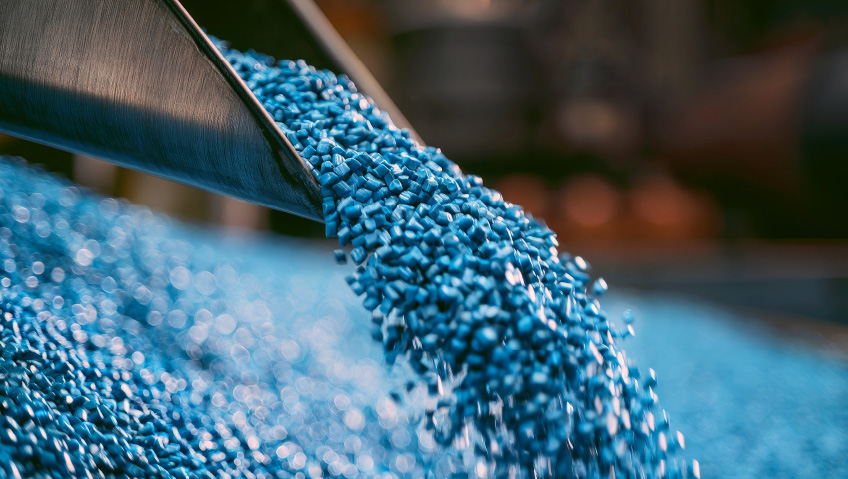
From rolls of clear grocery store produce bags to the latest fashions, and from cell phones and computers to travel mugs, bicycle helmets, and impact-resistant molded car parts, plastics play a huge role in our everyday lives. Lightweight, waterproof, and chemical-resistant, plastics can be thinner than a human hair or laminated with glass to be strong enough to stop a bullet.
Available in every color, some polymers are stronger than steel and can withstand tremendous heat and pressure. Boasting countless advantages over materials like wood and metal—which are prone to rot, rust, or being infested by insects—plastics are used in construction for everything from vapor barriers to piping, roofing, thermal and acoustic insulation, skylights, and countless other applications.
Plastic by any other name
Natural plastics made from resins have existed for thousands of years, used to make everything from buttons to combs. Indeed, the word ‘plastic’ stems from the Latin plasticus—from Greek plastikos—meaning capable of being molded.
In the 19th century, inventors like Charles Goodyear, Alexander Parkes, and John W. Hyatt successfully developed rubber, pyroxylin, and celluloid products used for photographic plates, dentures, and billiard balls, but it wasn’t until around 1906 that Belgian-American chemist Leo Baekeland created Bakelite, the first entirely synthetic resin, earning its creator the title of Founder of Modern Plastics.
Now, a century and a quarter since Baekeland’s invention, it’s hard to imagine the world in its present shape without the many and varied contributions of innumerable forms of plastic. Some, like polyvinyl chloride (PVC), whether stiff or in bendable form, prove ideal for uses as varied as medical tubing or construction materials like pipes and vinyl siding. Others, such as polystyrene (PS), have a place in the food and hospitality sector and are commonly used for disposable cutlery. Every day, we open bottled water or jars of peanut butter or mayonnaise, made from polyethylene terephthalate (PET).
NPE: The Plastics Show®
Worldwide, many groups and associations advocate for plastics throughout the supply chain, from the sourcing of raw materials to manufacturing and eventual reuse and recycling.
One of the best-known remains the Plastics Industry Association (PLASTICS). With the motto, “We protect, promote, and grow the plastics industry,” this association supports the entire plastics supply chain. This includes making the industry and its members more competitive worldwide, advocating on behalf of members, advancing sustainability initiatives, promoting career opportunities in plastics manufacturing, changing public perception about plastics, and more.
One of the most visible ways the association promotes the industry and new technologies is through NPE: The Plastics Show®, the largest triennial plastics trade show held in the Americas. A not-for-profit event, 2027’s NPE: The Plastics Show will take place in Orlando, Florida next year, from May 3 to May 7. In January, NPE2027 kicks off in Washington, D.C. at an event with marketing, content, operations, and sales committee members present.
Bigger and better than ever, the five-day event is a unique opportunity for attendees to keep ahead of the latest developments, make connections with over 51,000 plastics industry professionals from more than 130 countries, and see more than 2,200 exhibitors fill 906,194 square feet of vibrant space.
According to the Plastics Industry Association’s latest annual report, “NPE2027 will be defined by its impact—on business growth, innovation, sustainability, and the perception of plastics. Every NPE presents an opportunity to shape the future of the global plastics industry, and in 2027, we will seize that opportunity to the fullest. We recognize that NPE is a showcase for the industry.”
The event aligns perfectly with the association and its goal of promoting, growing, and protecting the plastics sector, and building a sustainable industry. “NPE is the largest platform for plastic industry promotion and growth in the Americas, making it a critical opportunity to showcase the power of plastics.”
Something for everyone
Virtually every industry uses plastic at some stage of manufacturing, production, and packaging, and some sectors highlighted by the NPE include automotive, building and construction, consumer products, medical, and packaging.
Some of the countless advantages of plastics include making cars lighter and more fuel-efficient, and consumer products like footwear longer-lasting. In the medical field, plastics are invaluable, used in everything from disposables like syringes, intravenous blood bags, and catheters to life-changing heart valves and prosthetic limbs. In packaging, plastics’ incredible strength-to-weight ratio and recyclability make them ideal for displaying and shipping products safely and securely.
Since plastics touch so many businesses, NPE2027 is a great opportunity for industry members to immerse themselves in the latest innovations and opportunities and meet like-minded colleagues including industry leaders, owners, technical experts, and salespeople and marketers.
Scrap recycling in practice
At NPE, sustainability is put into action, and a full-service plastic scrap recycling program will operate throughout the event. “Sustainability at NPE is a top priority,” says Patrick Kreiger, the Association’s Vice President for Sustainability. “We’re committed to helping our exhibitors conduct their business in a way that drives value for society, the environment, and the industry.” With the goal of zero waste, 2024’s NPE saw 100 percent of plastics recycled, with 516,160 pounds (234,126 kg) diverted from landfill.
As a further commitment to sustainability, all NPE exhibitors pay a flat fee (based on booth size) to support recycling.
New for NPE2027 is Sustainability Park, which the association describes as an immersive destination “where learning and play unite to spotlight industry leaders and real-world solutions shaping the future of sustainable plastics.” With its circular pathway, Sustainability Park evokes the shared goal of a circular economy. Interested showcase partners who have a clear focus on sustainable services or products can fill out an Interest Form at https://npe.org/sustainability-park/.
Along with Sustainability Park, interested guests will take part in The Packaging Stage. Showcasing the latest developments in sustainable packaging and materials, design, and performance and materials, The Packaging Stage promises to “bring fresh education and forward-thinking conversations to the show floor.”
Together with over 340 new exhibitors, 2027’s National Plastics Exhibition also welcomes ANTEC®. Produced by the Plastics Industry Association, NPE and ANTEC have teamed up “to connect groundbreaking technical research with the people who can put it into practice,” according to the association. Now part of the NPE2027 technical education program, event organizers are seeking speakers to share their technical research at the event. Interested parties can find out more at the Call for Speakers section: https://www.4spe.org/antec27/.
To keep up with the latest NPE2027 developments, check out the National Plastics Exhibition’s Facebook page at https://www.facebook.com/people/National-Plastics-Exhibition/61582797308496/ and the following links:
https://www.plasticsindustry.org
https://npe.org
https://www.linkedin.com/showcase/npe-plastics-show/
See you there!