In light of recent scientific discoveries highlighting the significant dangers of synthetic polymers to humans, our planet, and all living creatures, it is always refreshing to observe scientists and thought leaders advancing the development of alternative packaging materials. These new materials are not only safe for the environment and our bodies but also beneficial to the Earth. Unless a material can eventually become food for some creature, it cannot be regarded as environmentally safe.
Enter bioplastics and other alternatives to synthetic polymers. Recently, this author came across three particularly exciting companies creating eco-friendly packaging for three common consumables: cosmetics, coffee, and plants.
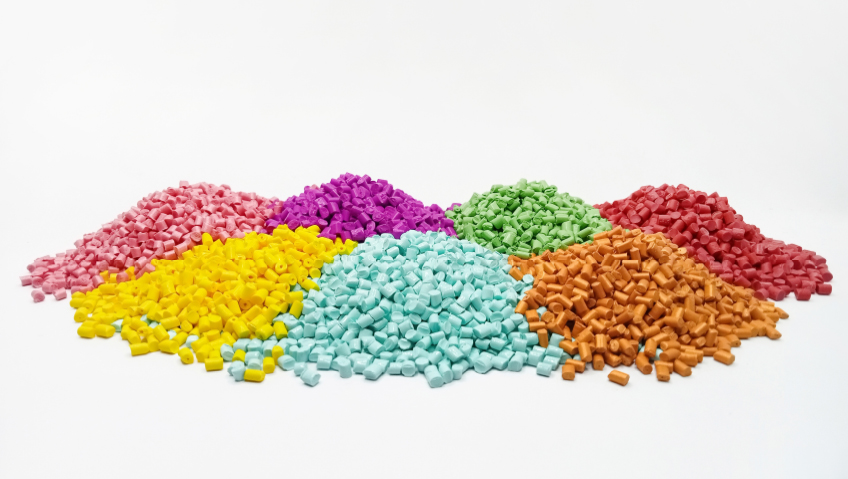
The first, Shellworks’ Vivomer, is produced by feeding microbes typically found in soil and marine environments natural materials such as plant sugars. These microbes then generate polyhydroxyalkanoates (PHAs) through fermentation. Following this, a polymerization process occurs, producing a fully compostable material that is sufficiently heat-resistant and environmentally stable, yet also durable enough for commercial packaging, capable of withstanding standard industrial filling and fabrication processes.
Its biodegradation leaves no residue, making the process complete, non-toxic, and ideal for packaging skin and body care products. Not only is the fabrication process low in waste, but the company can now supply scalable quantities of the material that can be processed between 160°C and 180°C through injection molding and extrusion. This offers great promise for manufacturers in the medical device sector, as well as in beauty and wellness, electronics, and apparel.
The creators of Shellworks also emphasize the importance of adequate labeling, outlining end-of-life scenarios and clear disposal requirements. While there are other similar materials available, Vivomer currently stands out as the most sophisticated among this bacteria-based type.
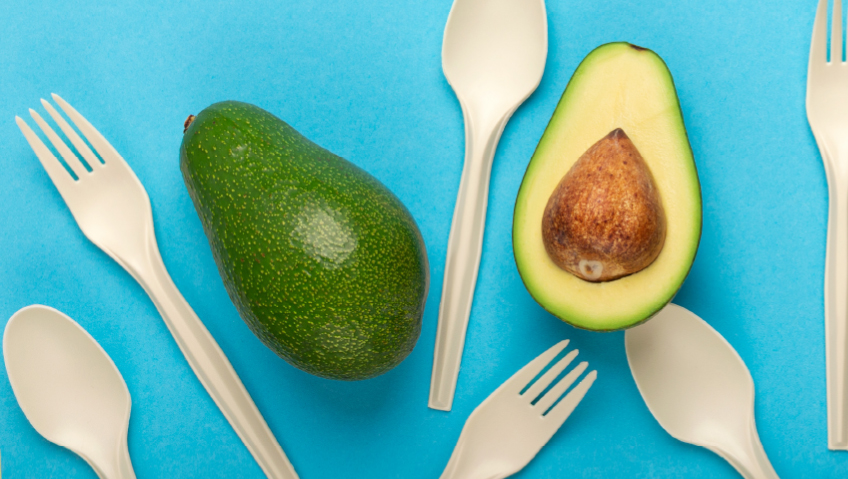
Another exciting product making its debut comes from India, inspired by visionary leader Pushpa Lakshmi, Founder and Senior Safety Engineer of EcoKadai®. Literally built from the ground up, this innovative startup has chosen the long but rewarding path of providing a completely natural, regenerative food packaging and tableware alternative made from underutilized agricultural waste.
EcoKadai® is not simply another biodegradable material; it is engineered to actively nourish the soil it decomposes into, rendering it healthier and more fertile than before. In a poetic twist, the product range includes a coffee cup made from coffee waste, which can safely contain liquids of up to 100°C.
Moreover, when composted responsibly alongside kitchen waste, the product releases no methane during degradation, benefiting from the aerobic conditions that composting typically provides. Its fabrication process also adheres to circular economy principles. Currently, promising prospects are emerging, with railways and airlines reaching out to the company for their share of this innovative solution.
As both EcoKadai® and Shellworks’ Vivomer demonstrate, regenerative and Earth-friendly materials alleviate significant pressure on landfills and recycling infrastructure, all while nurturing the planet. Naturally, the verdict is still out on how companies choose to colour and print such packaging, as using toxic inks could detract from the benefits. However, it is undeniable that these materials must become the future if we are to rectify the chaos created by generations of global industry and rampant consumer consumption.
Regenerative materials are also taking root in North America. Closer to home, Ocean Made creates starter seed pots from kelp and natural fiber, based on a similar regenerative concept. Inspired by the “climate-fighting powers of seaweed” through carbon capture and the work of Bren Smith, often recognized as the “grandfather” of American seaweed farming, founder Emily Power decided to exchange big tech for “kelping the planet,” as she calls it.
While her startup is also facing the uphill struggle typical of visionary and early adoption projects, Power is steadfast in her belief—and for good reason. Once the business begins to scale, its main value stands to be recognized by industrial players for packaging purposes. Rather than relying on pure wood pulp or Styrofoam moldings for protective packaging filling, farmed kelp could provide one of the solutions everyone has been seeking to replace synthetic polymers—while ensuring the Earth’s regeneration.
Although adoption, scaling, funding, and research remain ongoing challenges, the glimmers of hope offered by companies like Shellworks, EcoKadai®, and Ocean Made signal a promise of positive change. The real challenge, however, lies in altering our behaviours, from the micro to the macro packaging decisions we make daily.
As we know, shifting from the inertia of familiarity into the unknown is perhaps one of the greatest human challenges today—embracing the possibility that change can genuinely occur if we commit to making it happen. Until the day arrives when the number and work of brave innovators reach critical mass, the exploration of possibilities continues.
In the meantime, many questions linger. What would the future look like if we could compost our food containers, inadvertently contributing to nature’s health? What would a world free of synthetic polymers look like as it breathes for the first time in a century? How can this be achieved in cities without overhauling existing infrastructure, and is that even feasible? Can our comfort, and that of industrial bottom lines, truly afford to neglect supporting startups launching revolutionary packaging solutions that could forever change our view of bioplastics and business?
Time will tell how long it takes for materials like these to become commonplace. In the meantime, it is up to our generation to ensure we clean up the mess accumulated by previous generations and ourselves, which continues to congest Earth’s natural systems.
Yet, another truth remains. Ultimately, the manufacturing industry possesses all the infrastructure, thought-leadership, and resources needed to help such innovations flourish. What we truly need is a fresh perspective on changing behaviours (starting with our own toward regenerative packaging) while revolutionary innovators lead the way to a synthetic polymer-free future.
Achieving this may be a long journey, but as ancient wisdom teaches, even the longest journey begins with the first step—in the right direction, that is.