Can North America’s venerable pulp and paper sector adapt to changing economic and cultural conditions?
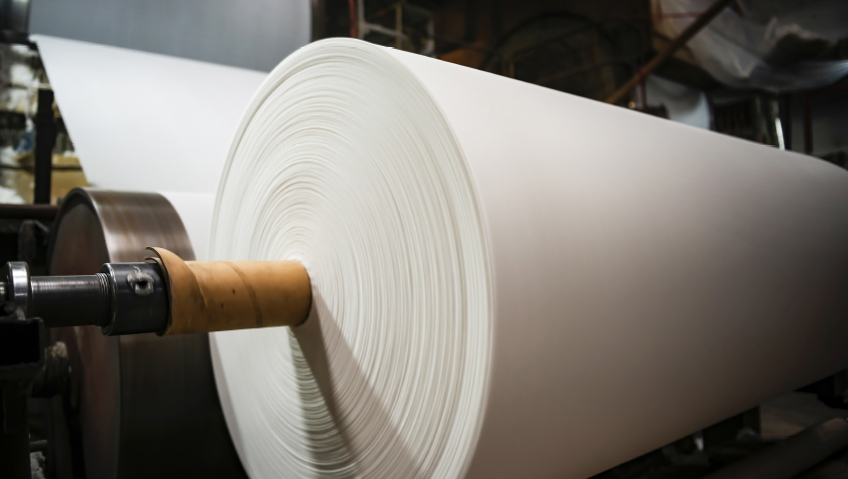
The paper manufacturing industry, as it is called in government records, covers everything from pulp and paper mills to companies that make paper products. Pulp mills separate cellulose fibers from other wood impurities, while paper plants form these fibers into sheets, which manufacturers then cut and shape into various wares.
The North American pulp and paper sector is both very old and very large. The first American paper mill was founded in 1690 in Pennsylvania, while the first Canadian paper mill opened its doors in Quebec in the early 1800s.
As of 2024, there were nearly 800 establishments in Canada within the pulp, paper, and paper products segments, and together, they generated over $17.2 billion in exports that year, reports Canadian Industry Statistics.
The American paper manufacturing sector, meanwhile, employed more than 350,000 people in December 2025, according to the U.S. Bureau of Labor Statistics. The overall U.S. pulp and paper market was valued at over $52 billion in 2023 by international research firm Fortune Business Insights.
Yet for all its size and success, the pulp and paper sector suffers from an image problem. Rightly or wrongly, people often associate papermaking with clear-cut forests, old-fashioned sawmills, and mills polluting water with effluent.
Such critics would be surprised at the extent to which the industry has embraced new technologies, methods, and materials. The aim is to modernize the sector while making it more eco-friendly. These are timely goals, as new opportunities beckon for pulp and paper companies even as traditional markets decline. While demand for newsprint shrinks, e-commerce has spurred a huge increase in door-to-door deliveries, which means far more packaging.
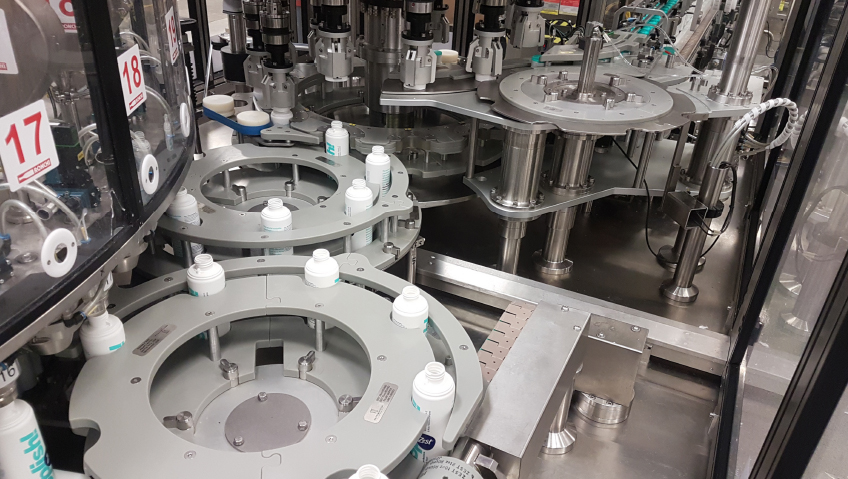
High-tech solutions for the pulp and paper sector include sensors and camera systems that track performance, collect data, monitor quality, and detect slight changes in equipment that could necessitate preventative maintenance. Remote monitoring allows staff at a pulp or paper mill to keep track of processes and machine performance even when they are not on site. An Internet of Things (IoT) network can compile input from sensors, cameras, and other tools, analyze the data, and offer suggestions for improvement. Some firms have begun to utilize IoT sensors to monitor and control the moisture of wood chips and to track raw material flow during production.
Regardless of the solutions or tools used, the prevailing message is the same: “digitalizing” pulp and paper mills can boost revenue and improve performance.
“Beyond efficiency and sustainability, the mills that embrace digitalization typically see throughput gains between five percent and 10 percent, yield improvements of up to five percentage points and significant material, chemical, and energy savings… For Canadian pulp mills, digitalization represents a high-impact, low-capital investment strategy for maintaining global competitiveness,” wrote Keijo Pyörälä in April 2025’s Digitalizing Pulp Mills in Pulp and Paper Canada magazine.
Going forward, the advent of Artificial Intelligence (AI) could add a whole new dimension to pulp and paper production by offering enhanced solutions, suggestions, and historical examples.
Robotic systems are also becoming more common within the paper industry. Robots are particularly well suited for repetitive jobs such as monitoring quality, product handling, palletizing, depalletizing, and unloading rolls of paper. Using robotics in this manner can improve efficiency, boost safety by removing the need for humans to work around massive rolls of paper, and cut costs.
If robots are a useful addition when it comes to paper production, some companies are looking to add a dash of electronics to paper itself. “Smart paper,” as it has been dubbed, consists of paper with embedded lightweight radio-frequency identification (RFID) tags. These tiny electronics can transmit and receive information, a highly useful capability for applications such as school textbooks, interactive books, or medical diagnostics.
In addition to adding technology to plants and electronics to paper, companies might want to take a closer look at their base materials. To this end, a wide array of non-wood pulps can be used to produce paper, potentially saving forests in the process. This category includes “stone paper,” which is exactly what it sounds like, paper made from 80 to 85 percent CaCO3 (calcium carbonate, a natural compound found in some rocks). It is a niche product for now but does represent an alternative to cutting down trees and putting them through chemical-laden pulping and paper making processes.
“Not a single tree or drop of water are used to manufacture stone paper materials, nor any of the harmful acids, dyes, and bleaches otherwise required to whiten and treat pulp and paper,” says the website of BC’s Stone Paper Solutions Ltd. Stone paper production requires only a fraction of the energy needed to make traditional paper and entails a drastically smaller carbon footprint, says the company.
If stone paper seems unconventional, there are plenty of plant materials including wheat straw, flax, reed, bamboo, and hemp that can also be used to make paper. Bamboo in particular offers several advantages, as noted in a 2021 paper by Kelly Buchheit, Alternative Fibers in the Tissue and Towel Industry from Solenis LLC of Delaware: “Bamboo captures more carbon dioxide and releases more oxygen while requiring less maintenance than trees,” writes Buchheit. “Bamboo is harvested by cutting the stalk but leaving the root intact, which can reduce deforestation.”
Bamboo also lends itself well to the pulping process, a bonus for companies concerned about sustainability and efficiency. “For pulp manufacturers, bamboo is the easiest non-wood fiber to pulp, allowing for conventional chippers and similar cooking conditions to hardwood, which enables the fiber to be used in conventional continuous digesters,” notes Buchheit.
Offering a viable alternative to plastic is another way that pulp and paper companies can shine. Bags and packaging made from non-biodegradable plastics have dominated the consumer goods market for decades, causing significant ecological harm. The challenge has been to find a paper-based solution that does not get soggy and weak when wet and can hold up as well as plastics.
To this end, Dublin, Ireland-based Smurfit Kappa Group launched a Better Planet Packaging Initiative with materials substitution in mind. Smurfit’s contributions to this field include AgroPaper (sustainable and biodegradable paper made from long pine fibers that offers a suitable replacement for polyethylene), TopClip (a paper-based, 100 percent renewable replacement for plastic shrink wrap that can be used to bundle cans), and a new paper pallet wrap (a completely paper-based alternative to polyethylene stretch wrap designed to secure loads on pallets). Smurfit, listed among the top pulp and paper manufacturers in the world circa 2023, has since merged WestRock of Atlanta, Georgia to become Smurfit WestRock.
Other developments that could push the pulp and paper industry forward include “dissolving pulp” (DP) and recycling. DP is a raw material gleaned from wood cellulose that can be dissolved in solvents and transformed into man-made cellulosic fibers (MMCFs) such as lyocell, viscose, and modal for textile manufacturing. MMCFs can be used as a replacement for synthetic materials such as nylon and polyester, which are derived from petroleum. DPs offer decent performance without the negative side effects associated with fossil fuels.
Of course, one of the simplest ways to go green and reduce costs at the same time is to make new paper from old paper. Manufacturers can save forests—and money—by using recycled paper instead of virgin fiber from trees. New de-inking processes, which eliminate contaminants from recycled paper, hold the promise of improving the quality of the final product.
From AI to paper with embedded electronics, automation, sensors, and wood alternatives, North America’s pulp and paper sector has multiple ways to go high-tech for a sustainable and profitable future.